

If you manage a workplace, rental property, or holiday let, PAT testing might seem complicated, but it’s actually straightforward. Knowing what to expect during a PAT testing visit helps you plan ahead, keep everyone safe, and minimise any disruption to your daily routine. This simple check ensures your electrical appliances are safe to use, giving you peace of mind whether you’re running an office, letting out a property, or managing a busy holiday home.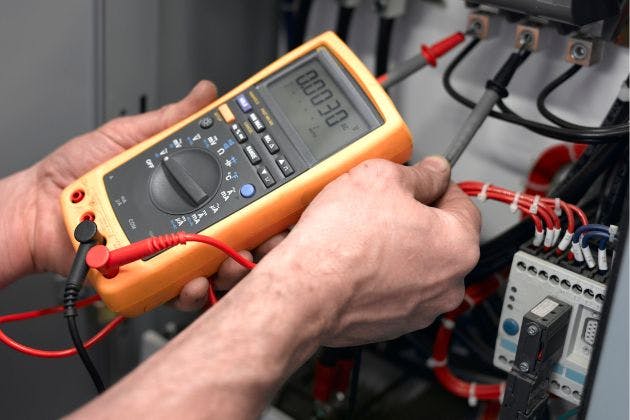
What PAT testing actually checks
PAT stands for Portable Appliance Testing, which covers anything that plugs in with a flexible lead. The aim is to check whether the appliance is safe to keep using, based on its condition and some simple electrical tests.
A proper PAT test always has two parts. First is a careful visual inspection. Second is testing with an electrical instrument, which is appropriate for the type of appliance. Both stages matter for building a clear picture of safety.
Stage 1: visual inspection of your appliances
The visual inspection often finds most of the problems. Your electrician will look closely at the plug, the flex and the body of the appliance, as well as how and where it is used. Many issues are obvious once someone knows what to look for.
Common issues your PAT tester will look for include damaged or loose parts, poor repairs and signs of overheating. These can all increase the risk of electric shock or fire if they are left uncorrected.
Key things your electrician checks by eye
During the visual stage, the tester will usually check for:
Damaged plugs such as cracked cases, bent pins or loose covers
Strain relief problems where the cable is being pulled out of the plug or appliance
Incorrect fuses that are too large for the appliance rating label
Taped or glued repairs to cables, plugs or casings that hide damage rather than fix it
Obvious cable damage,, such as cuts, kinks, crushing or exposed inner cores
They will also check that ventilation grills are not blocked, that on/off switches feel secure, and that any plugs with loose outer sleeves are taken out of service. If something is clearly unsafe, it will usually fail at this point without moving on to instrument testing.
Stage 2: electrical tests with an instrument
Once the visual checks are done, the tester uses a PAT machine to carry out electrical tests where they are suitable. These tests are quick and help confirm that what looks safe on the outside is also safe inside the appliance.
The exact tests depend on the type of equipment and its class. Your electrician should always choose settings that are appropriate, especially for sensitive electronics, so the tests do not damage your equipment.
Typical electrical tests carried out
For many appliances, the tester will carry out a mix of the following:
Earth continuity checks that any exposed metal parts are properly connected to earth where required. This helps ensure that, if a fault occurs, it will operate the protective device rather than giving someone a shock.
Insulation resistance measures how well the live parts are insulated from the user and from earth. Good insulation means leakage currents are extremely low and the risk of shock is reduced.
Polarity tests on leads and extension reels confirm that live, neutral and earth are all connected correctly. Incorrect polarity can be hazardous, especially on older or metal-cased equipment.
In some cases, the tester may also use alternative or lower-level tests for delicate items. The aim is always to balance good safety checks with care for your equipment.
A simple checklist before your PAT tester arrives
A little preparation before your appointment can save time and cut disruption in busy offices, shops, or holiday lets in Bournemouth, Poole and Christchurch. It also helps ensure that nothing important is missed.
Use this straightforward checklist before your PAT testing visit:
Gather appliances that need testing in each area, or list them clearly if they cannot be moved
Ensure access to sockets, under desks, cupboards and store rooms where equipment is kept
Identify higher risk items such as portable heaters, kettles, cleaning equipment and tools that see heavy use
Provide extension leads only if safe, with cables untangled and fully unwound from reels
Let staff or guests know that some items may be briefly unplugged during checks
Taking these steps makes the visit smoother so your electrician can move through the property efficiently and you can get back to normal work faster.
How often is PAT testing usually needed
There is no single rule that suits every setting. The right frequency depends on both the environment and how the equipment is used day to day. A calm office is very different from a busy workshop or a holiday cottage with frequent guest changeovers.
As a general guide, higher risk or high use environments tend to need checks more often. Lower risk settings with careful users and well managed equipment can usually be tested less often. A qualified electrician can suggest a sensible interval based on what they see onsite.
What you receive after PAT testing
Once the tests are complete, your PAT tester should leave you with clear records. These help you show that reasonable checks have been carried out and make future visits simpler to plan.
Each appliance that passes will usually be fitted with a label showing if it passed, who tested it and the test date. In some cases, the next suggested test date may also be shown to support your internal records.
You should also receive a test log or report listing each item, its location, and the result. Any failed items should be clearly marked, both on the appliance and in the paperwork, with notes on the reason for failure.
For failed items, your electrician may recommend repair, replacement or removal from service. Acting on these notes promptly keeps your site safer for staff, tenants and guests.
Next steps for safe appliances and properties
If you manage an office, rental, or holiday let in Bournemouth, Poole or Christchurch and want clear, professional PAT testing, Prolectrical Southern Ltd can help. We work in plain language, keep disruption to a minimum and provide easy-to-follow records after each visit.
You can book PAT testing or read more about our service on our PAT testing page, or explore wider electrical safety support on our commercial services section. If you are looking at the bigger picture of electrical safety for your property, our electrical testing & inspection information is a helpful next step.
To discuss PAT testing for your office, rental or holiday property, contact Prolectrical Southern Ltd on 07973743484, and we will be happy to talk through what you need.